
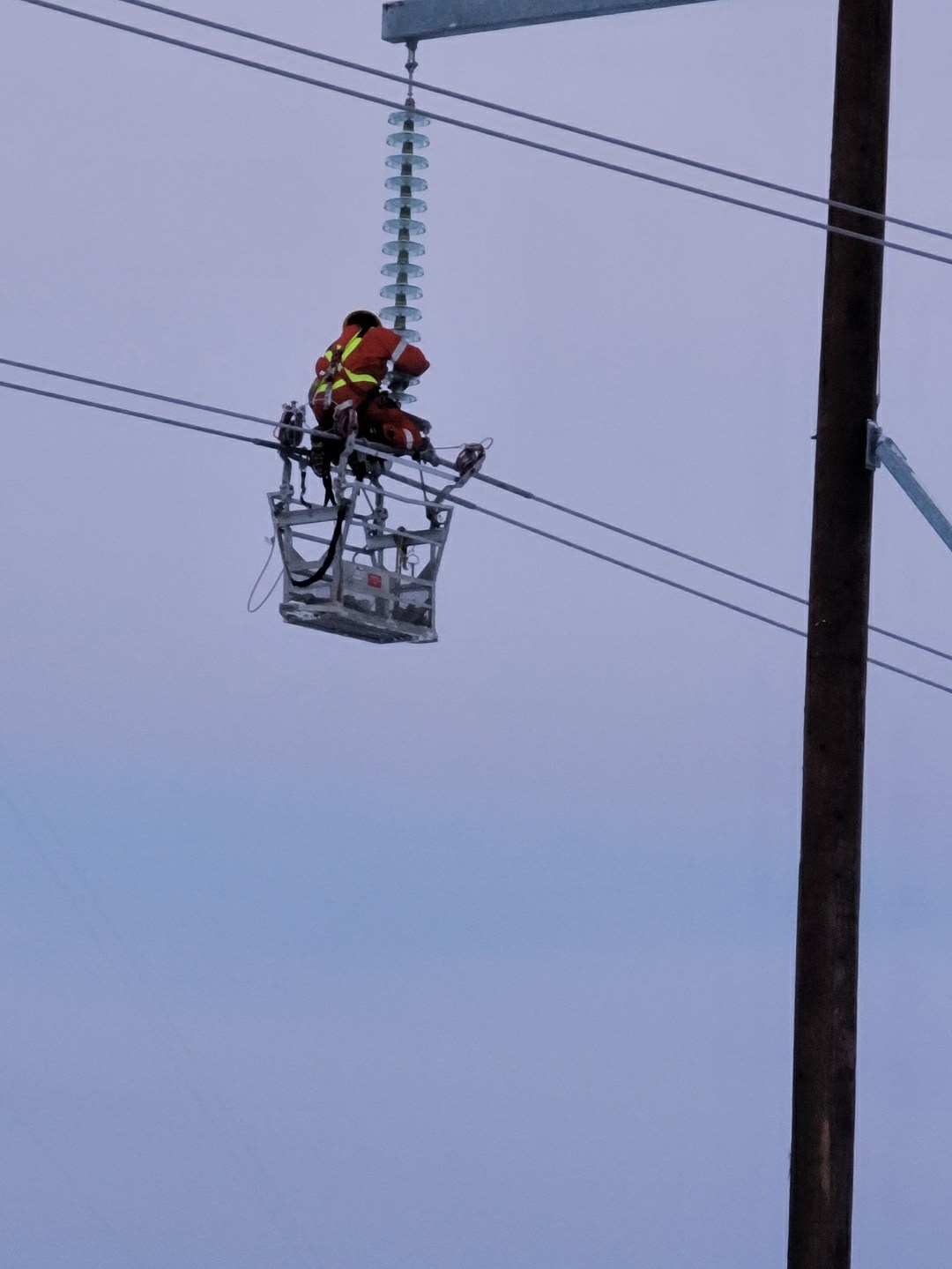
In most regions, the operational shift from late summer into fall is not a single “switch,” but a widening band of changing conditions: shorter days, freeze–thaw cycles, saturated ground, first snow, early ice, and the first sustained periods where wind and cold combine into meaningful wind chill. Those changes influence everything from access planning and traffic control to glove dexterity and the reliability of portable tools.
Fall readiness is not only about winter gear. It’s about anticipating how quickly a normal worksite can become a high-friction environment—literally (slips on wet leaves or frost) and operationally (delays, reduced visibility, and increased fatigue). Environment and Climate Change Canada (ECCC) notes that wind chill is used to communicate frostbite risk when it’s windy and below 0C, and that forecasts may include frostbite information when wind chill is cold enough. That has planning implications for job duration, warm-up strategy, and supervision cadence when conditions deteriorate mid-shift.
1) Start with fall-specific hazards: the “shoulder season” trap
Fall can feel mild at the truck, while elevated work positions and exposed corridors experience markedly different wind and temperature. The most common fall-to-winter hazard pattern is a series of small degradations that stack: wet surfaces + lower sun angle glare + earlier darkness + cold hands + bulky layers + time pressure as daylight disappears.
Key weather-driven hazard changes to account for in pre-job planning:
- Wind chill and cold injury potential. ECCC’s wind chill index is intended to convey the combined cooling effect of wind and cold, and ECCC provides guidance on wind chill hazards and frostbite risk categories. CCOHS also points employers and workers to wind chill resources and highlights that cold-stress guidance is often informed by ACGIH Threshold Limit Values a0(TLVs) used by some Canadian jurisdictions where specific limits are not prescribed.
- Freeze a0 a0thaw cycles. Daytime melt and overnight freeze can create black ice at access points, yards, and on equipment steps/handholds, changing slip potential daily.
- Cold precipitation and first snow. Early-season snow is often wet and heavy, affecting access roads and causing rapid contamination of boot soles and ladder rungs.
- Reduced daylight and low-angle sun. Lighting and visibility become operational constraints earlier in the day, affecting spotting, backing, and work positioning.
2) Crew readiness: cold changes performance before it changes comfort
Most crews recognize frostbite and hypothermia as serious outcomes, but fall operations also create subtler performance risks: reduced dexterity, slower fine-motor tasks, and more frequent glove changes due to wetting. Cold exposure management is therefore both a health protection and a quality/efficiency control.
Practical crew-readiness actions to emphasize in the fall transition:
- Revisit cold-stress planning assumptions. CCOHS notes that where specific exposure limits are not set, guidelines can be used to assess hazards, create safe work plans, and monitor conditions. Build “go/no-go” decision points into tailboards for wind chill, precipitation type, and visibility—aligned to your employer and jurisdictional requirements.
- Warm-up and shelter logistics. Alberta OHS materials on working in extreme temperatures highlight the need for worksite practices in extreme cold; while provincial guidance varies, the operational principle is consistent: a plan for warming, drying, and recovery time should exist before the work begins.
- Hydration and fatigue. Cold reduces thirst signaling, while layered clothing increases sweat retention. Supervisors should watch for fatigue and cognitive slowdown—especially in extended outage restoration shifts.
- Competency refresh. Fall is a strong window to refresh seasonal competencies: vehicle spotting in low visibility, winter driving policies, rescue drills with bulkier clothing, and any utility-specific storm restoration procedures.
3) PPE and clothing: layering without compromising protection systems
Fall is when many crews begin mixing base layers, mid-layers, rain gear, and cold-weather outerwear. That can create compatibility issues, especially where arc-rated systems, rubber insulating gloves, and fall protection harness fit are involved.
For electrical work, Canadian workplaces commonly reference CSA Z462 (Workplace electrical safety) for hazard identification and PPE selection practices; CCOHS also identifies CSA Z462 and CSA Z463 (maintenance of electrical systems) in its overview of standards relevant to arc flash/electrical safety. The key fall message is not “buy more gear,” but “confirm the system still works together” when bulk, moisture, and reduced dexterity enter the picture.
- Layering compatibility. Ensure added layers do not interfere with harness fit, lanyard routing, or the ability to visually inspect connectors and closures. Consider how rain shells and insulated garments interact with task-specific PPE requirements and your employer’s energized work rules.
- Glove management. Wet gloves and cold hands are a common fall constraint. Plan for more frequent glove changes, drying strategies, and protected storage—without improvising outside manufacturer or employer procedures.
- Visibility gear. Shorter days and storm response increase the importance of visibility and lighting. Confirm reflective PPE is not obscured by outer layers.
4) Equipment readiness: prevent small failures from becoming storm-day failures
Fall is the time to remove “summer assumptions” from fleet and tool readiness. Batteries lose performance in cold; hydraulic systems and lubricants behave differently; and access conditions become less predictable.
Fleet and access equipment
- Daily access reality checks. A road that was stable in August can become rutted and soft in October, then icy in November. Build a formal trigger for reassessing access routes after heavy rain or overnight freezes.
- Stowage and contamination control. Wet leaves, mud, and road salt introduce slip and corrosion risk. Emphasize housekeeping around steps, decks, and work platforms.
Ladders, steps, and climbing interfaces
Even in utility work where ladders are not the primary access method, they appear in substations, buildings, and certain field scenarios. IHSA winter-focused safety messaging highlights practical slip prevention: removing ice and snow from boot soles and recognizing how winter conditions amplify working-at-heights risks. Their ladder guidance also emphasizes maintenance and safe setup practices, which become more critical when surfaces are icy or uneven.
- Inspect and de-ice climbing interfaces. Confirm rungs/steps are free of ice buildup and that feet/soles are clear of snow and ice before climbing.
- Verify ground conditions. Ladder feet and outriggers can behave unpredictably on frost, wet leaves, and frozen gravel.
Tools and power systems
- Battery and charging plans. Cold affects battery performance and charging behavior; ensure crews have an approved plan for keeping batteries within operating temperature ranges according to manufacturer requirements.
- Lighting. Short days turn lighting into a production-critical tool. Confirm area lights, headlamps, and vehicle scene lighting are present, functional, and matched to the work (glare control, beam pattern, spare units).
5) Worksite setup: fall changes traction, visibility and public interface
Worksite controls that were “good enough” in summer may be inadequate in fall, especially for roadside work in rain, fog, or early darkness. Additionally, storm season increases public interaction and emergency response frequency.
Ontario’s Electrical Safety Authority (ESA) emphasizes a core public-safety rule: always assume a downed powerline is energized and deadly. While that message is aimed at first responders and the public, it is also a reminder for crews that fall storm response can increase exposure to unknown contacts, compromised grounds, and chaotic scenes—demanding disciplined boundaries and communications.
- Traffic control and visibility. Recheck sign placement, advance warning distances, and illumination as daylight fades earlier.
- Ground condition controls. Add traction aids or surface treatments per employer policy; designate slip-risk zones (mud, wet leaves, frost patches) during tailboards.
- Scene control during outages. Plan for public curiosity and responder interface. Align roles: who speaks to responders, who controls the perimeter, who documents hazards.
6) Fall readiness checklists (field-friendly)
Supervisor/foreman: 10 fall-transition prompts
- Weather check with thresholds. Record temperature, wind, precipitation type, and wind chill where applicable; set escalation triggers for warm-up cycles or schedule changes (per employer/jurisdiction requirements).
- Daylight plan. Identify the “darkness time” for the work area and confirm lighting/finish strategy.
- Access confirmation. Validate roads/ROW access after rain and before freeze-up; pre-plan alternates.
- Equipment housekeeping. Steps, decks and platforms cleared; stowage prevents wet PPE/tool contamination.
- Battery and tool readiness. Charging strategy, spares, and storage temperature plan confirmed.
- PPE system check. Layering does not compromise harness fit, mobility, or task-specific protection.
- Slip/trip controls. Identify and mark high-risk zones; confirm traction measures.
- Communications. Radios/phones working; storm-response contact tree current.
- Emergency response plan. Rescue considerations with bulkier clothing; access for EMS in deteriorating roads.
- Stop-work reinforcement. Reconfirm authority and conditions that trigger pause/reassessment.
Crew: pre-climb / pre-lift micro-check (60 seconds)
- Boot soles clear of snow/ice; gloves appropriate and dry enough for the task.
- Hands/controls: can you operate latches, carabiners, and connectors without forcing?
- Contact points: rungs/steps/handholds visibly clear; no hidden frost glaze.
- Visibility: can the spotter see you and can you see the spotter (lighting, fog, glare)?
- If conditions have shifted since tailboard (wind pickup, freezing rain onset), stop and re-brief.
7) The fall mindset: operational discipline before the first big storm
Storm readiness is often discussed as a logistics challenge—mutual aid, materials, staging, and restoration priorities. But fall operations readiness is also about preventing everyday injuries and quality failures that quietly drain capacity right when the system needs it most.
Use fall as the “systems check” season: validate that clothing systems, lighting, access planning, and cold-stress controls are practical in real conditions. When the first freezing rain event or heavy wet snow hits, you don’t want to discover that your ladder interface ices up, your glove plan fails, or your scene lighting creates glare for traffic control.
Reminder: This article provides general operational considerations. It does not replace your employer’s procedures, utility rules, jurisdictional OHS requirements, or manufacturer instructions.